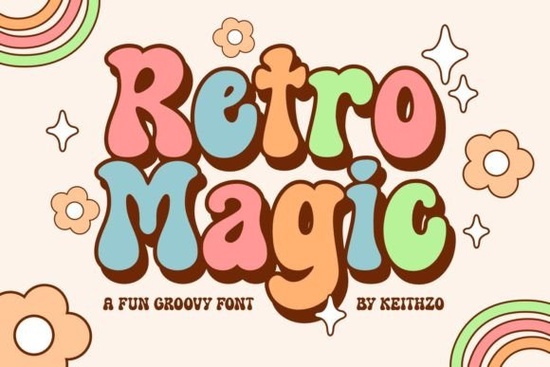
If you want to give printed materials or digital ads a warm, nostalgic presence, choosing the right lettering style makes the difference. Retro Magic Font delivers that exact combination of playful curves and vintage structure, which is why it consistently ranks well among designers, crafters, print-on-demand sellers, small business owners, and creative hobbyists. Rather than wrestling with poorly spaced files, you get ready-to-use glyphs that render cleanly on both screens and paper.
Nostalgic typography works because it triggers immediate emotional recognition. Viewers associate those rounded forms and subtle flourishes with independent shops, classic diners, and handmade gifts. That built-in familiarity lets your message land faster, especially when you are creating brand assets that need to stand out without relying on expensive photography or complex illustrations.
Why does this style suit handmade products so well?
Artisans and micro-businesses often need type that feels approachable rather than corporate. The balanced spacing here means you skip tedious manual kerning and move straight to layout decisions. It also scales beautifully down to business cards or up to banner stands without losing definition. When paired with natural textures like kraft paper or linen backgrounds, the letters gain depth that flat vector templates usually lack.
Depending on your project goals, you might swap in complementary styles when the mood shifts. Painterly accents pair smoothly with Happy Brush, while clean sketch lines benefit from tools like Doodle Line. Each alternative fills a distinct niche, keeping your asset library organized without unnecessary overlap.
Where should I place retro display letters?
Short, punchy phrases always perform better than long blocks of copy. You will see the strongest results with:
- Seasonal sale banners and clearance tags
- Bakery boxes, candle labels, and packaging inserts
- Event flyers where readability matters from several feet away
- Social media carousels that compete against busy imagery
Keep background elements quiet so the typography remains the focal point. A restrained two-tone palette often beats busy gradients, especially when you are printing on textured substrates that absorb ink unevenly.
When you need secondary text to balance heavier headlines, lighter scripts work exceptionally well. Creators who favor sweet, pastel aesthetics frequently match this setup with Strawberry Milk Candy for loyalty cards or menu boards. The contrast between structured headers and airy subtext guides the eye naturally down the page.
How can I prevent common layout errors?
Stretching letters horizontally or crushing them together breaks the original proportions and hurts legibility. Scale the type up until negative space feels comfortable, then adjust line height if stacking multiple rows. Dark backgrounds benefit from a subtle duplication technique: duplicate the text layer, lower opacity, and shift it slightly off-center to create depth without muddying the edges.
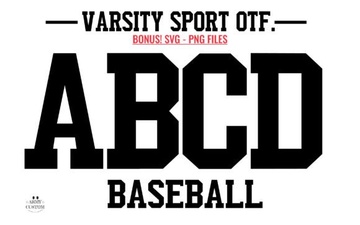
Choosing a solid supporting typeface matters just as much as the headline itself. Athletic block letterforms surprisingly anchor flowing vintage headers when you need clear pricing or date information. You can explore structured options like Varsity Sport Army to maintain readability at smaller sizes. Always reserve decorative choices for primary messaging and keep instructions or fine print strictly neutral.
Can I use this for commercial merchandise?
Standard licenses typically cover limited commercial use, but verification is essential. Confirm whether the agreement includes print-on-demand marketplaces or if high-volume apparel requires an upgraded tier. Organizing your purchase records upfront prevents delays when vendors request compliance documentation.
To test rendering behavior before bulk production, Retro Magic Font provides a practical preview workspace that mimics actual printing output. Running proofs through a simulation tool catches baseline mismatches that standard zoom levels often hide.
What should I verify before exporting?
- Outline all text objects before saving final files
- Match color profiles to your printer’s specifications
- Add bleed zones according to the manufacturer’s template
- Check descender clearance against crop marks
- Archive master layers with version stamps for consistency
Draft three headline variations with different character counts. Track which layout maintains steady visual flow, then lock your spacing rules. Applying that structured approach to future campaigns turns messy experiments into predictable, scalable outputs.
Get Started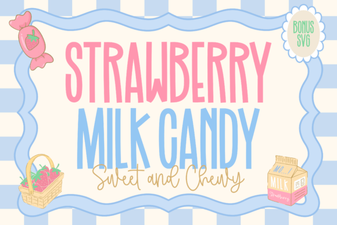 Sweet & Stylish Fonts for Design Projects
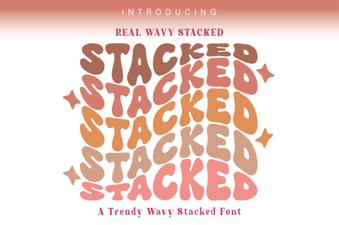 Wavy Stacked Fonts for Design Projects
 Create Varsity Sport Army Font Projects & Logos
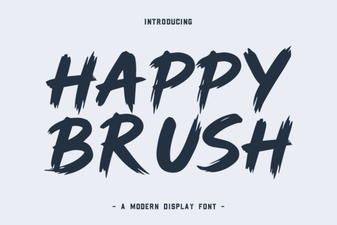 Happy Brush Font: Creative Design Projects
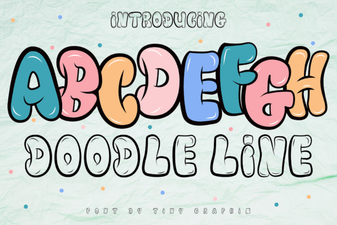 Doodle Line Fonts: Free Download and Creative Uses
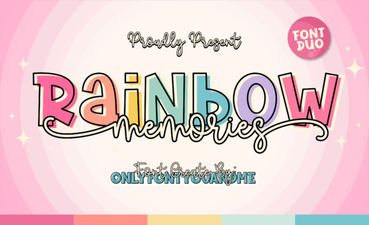 Rainbow Memories Font: Crafting Creative Projects