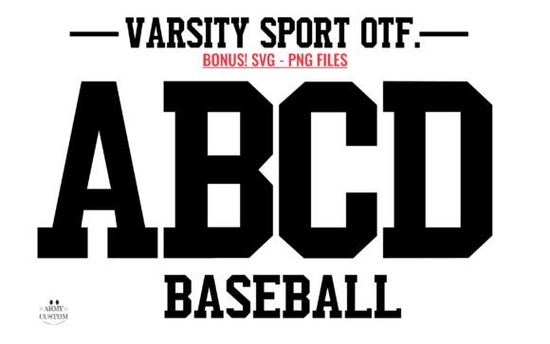
If you regularly design team merchandise or run a print-on-demand store, you know authentic college lettering requires more than basic block capitals. You need precise arches, correct tracking, and that classic split-figure structure that instantly signals campus pride. The Varsity Sport Army Font delivers exactly that layout without tedious manual adjustments. Crafted for hobbyists and small business owners, this typeface captures the traditional atmosphere of weekend games and campus rallies. You can drop it straight into your design software and start producing fan gear that looks professionally produced right away.
How does this font handle spacing on dark backgrounds?
Athletic typography often fails when letters sit too close together or lack contrast against busy images. This weight maintains generous internal counters and clear stem thickness, keeping numbers and short names highly legible when scaled down for drinkware tags or sleeve prints. High-contrast placements, like cream lettering over charcoal fabrics, rely on clean geometric paths to prevent ink bleed during screen printing or vinyl cutting. Users typically report fewer weeding errors because the curves transition smoothly without jagged edges. If you experiment with distressed overlays, this base shape holds its structural integrity, letting you add grunge effects without losing the collegiate silhouette. Designers often blend structured athletic styles with fluid line art to soften rigid compositions, so exploring a lightweight connection style like the one found at doodle line font display fonts can provide a nice visual counterpoint.
What commercial uses work best for vintage sports typography?
Campus nostalgia sells consistently across multiple niches. Having a reliable fallback typeface saves time when fulfilling rush orders. Local running clubs, youth leagues, and community theaters frequently request retro playbill covers or event posters needing immediate impact. Small breweries and coffee roasters also adopt this aesthetic for seasonal labels tied to local tournaments. Because the character set includes uppercase letters, numerals, and basic punctuation, you can easily mix school initials with graduation years or jersey numbers. When laying out tournament brackets, clear hierarchy matters more than decorative flair. A straightforward column layout with tight leading keeps attendance details readable from several feet away. If you pivot toward lifestyle branding, trading sharp geometric forms for rounded brush scripts maintains approachable warmth on packaging. Checking out a relaxed paint effect typeface available through happy brush font display fonts offers a ready alternative when clients request something less formal.
Which projects benefit most from a split-figure collegiate style?
Apparel production remains the primary application, though versatility extends far beyond t-shirt mockups. Sublimation blanks, embroidered caps, and PVC patches render cleanly when vector paths are properly prepared. Digital planners and printable wall art creators frequently incorporate these letterforms for academic trackers, study schedules, and motivational bulletin prints. Event organizers appreciate generating matching stationery suites, including ticket stubs, wristbands, and directional signage. Combining multiple typefaces requires consistent x-heights to prevent visual clutter. Some crafters stack abbreviated location names above numerical rankings to mimic championship banners, while others center year markers beneath simplified mascots. For brands preferring rugged outdoor aesthetics over polished campus vibes, heavier stencil alphabets offer sharper industrial contrast. Exploring a rugged texture option similar to dirty strong font display fonts balances softer color palettes when designing camping gear or adventure club logos.
How do I troubleshoot alignment issues in cutting machines?
Machines sometimes misread wide letter spacing if designs aren’t grouped before slicing. Unifying overlapping shapes eliminates ghost cuts and reduces material waste. Lowering blade pressure slightly helps when working with thick cardstock, since excess force pushes knives past outlines. Scaling down characters often reveals hidden gaps near the baseline invisible at full size. Manually adjusting kerning for narrow pairs like V and I fixes sudden visual breaks. Exporting SVG or PNG with transparent backgrounds ensures printers receive exact artwork without white margins. Monochrome outputs or limited two-tone palettes simplify color separation and cut film charges for screen printers. If your next project leans toward playful party decorations, swapping heavy athletic weights for curved bubble letters creates a lighter seasonal mood. Browsing a whimsical script collection like strawberry milk candy font display fonts provides quick alternatives for greeting cards and birthday banners.
Where should I source additional typefaces for campaign kits?
Building a reliable asset library saves hours during peak ordering seasons. Successful storefronts rotate between three or four core styles rather than switching fonts constantly. Consistent spacing rules and predictable cap heights make cross-project branding feel intentional. Archive downloads by category, naming folders according to season or client niche to speed up searches. Mixing vintage athletic lettering with modern sans serifs requires checking x-height ratios to keep pairings harmonious across receipts and social tiles. Adding a single external resource for style references clarifies typographic conventions before committing to files. Reviewing official guidelines through a dedicated search like Varsity Sport Army Font helps you understand market pricing and licensing tiers. Staying organized with template libraries reduces revision cycles and keeps production timelines predictable.
Quick prep checklist for sports fonts before uploading
Verify these items before sending artwork to a vendor or machine to avoid costly mistakes:
- Convert all text outlines before saving to eliminate missing font warnings.
- Check minimum stroke width against your blank material to prevent tears.
- Test scale reduction at twenty-five percent to confirm crisp details.
- Group overlapping paths to stop double-registration errors during weeding.
- Export separate layers for multi-color prints so plates align correctly.
Keep a simple spreadsheet tracking order volume and supplier turnaround times. Having pre-cut test swatches on hand lets you approve color matches instantly instead of waiting for proofs. Experiment with negative space cutouts around inner counters to save adhesive liner waste on sticker sheets. Rotating your toolkit periodically ensures your catalog stays fresh without reinventing layouts.
Explore Design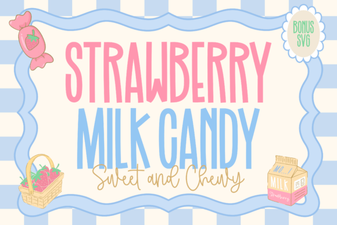 Sweet & Stylish Fonts for Design Projects
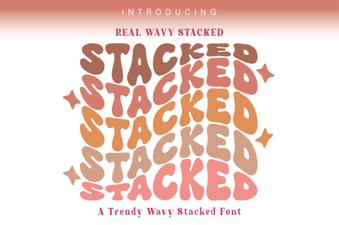 Wavy Stacked Fonts for Design Projects
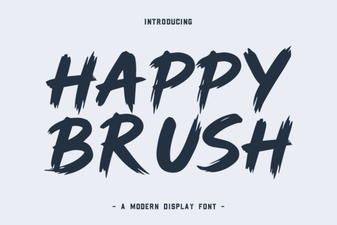 Happy Brush Font: Creative Design Projects
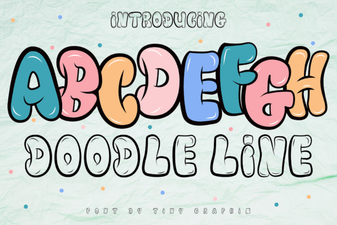 Doodle Line Fonts: Free Download and Creative Uses
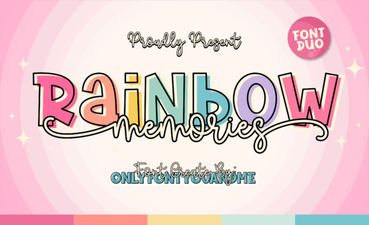 Rainbow Memories Font: Crafting Creative Projects
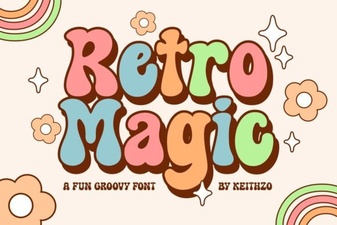 Retro Magic Fonts: Design Styles & Creative Uses