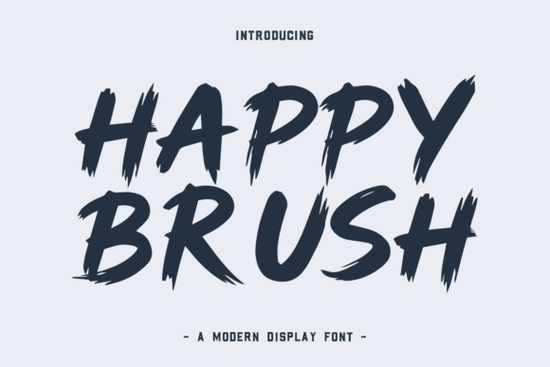
If you are looking for a typeface that feels freshly painted rather than digitally manufactured, Happy Brush Font delivers exactly that handcrafted warmth. Designed for creators and small business owners, this display style captures the spontaneous rhythm of actual brushwork without the mess of wet ink. Clean vectors sit neatly on cards and digital headers while retaining the gentle texture variations that make handwritten designs stand out. Whether you need a cheerful headline for an event invitation or a relaxed logo mark for a boutique shop, this typeface bridges the gap between polished typography and approachable sketching.
What projects actually benefit from a brushed display typeface?
Hand-painted styles work best when your content relies on personality over rigid formality. Designers frequently pair these letters with watercolor elements or paper textures to build cohesive stationery sets. Print-on-demand sellers find them reliable for apparel graphics, tote bags, and sticker sheets because the thick strokes hold up well after screen printing or direct-to-garment transfers. Brands use them to soften corporate voices, especially in food, wellness, and handmade niches. Social media managers lean toward the casual weight for quote posts and promotional banners where viewer attention stays brief. The slight edge variations keep modern compositions from feeling sterile, which usually translates to stronger visual retention on personal accounts.
How does the actual stroke structure affect readability?
Character shapes maintain open counters and generous spacing, so phrases stay legible even at thumbnail sizes. You will notice the terminals carry a tapered brush finish, creating a natural flow that guides the eye across a line. This organic quality pairs exceptionally well with minimalist layouts, letting the type carry the visual weight without competing against busy backgrounds. Previewing the letters on textured stock adds subtle depth that flat vector scripts sometimes miss. It also works smoothly alongside neutral sans-serifs for supporting text, giving you a balanced typographic hierarchy that looks intentional rather than hastily assembled.
Which other lettering styles complement this brushed aesthetic?
Building a complete visual system rarely stops at one typeface. If you want to introduce a sweet, playful contrast, checking out the curves in Strawberry Milk Candy Font gives you a rounded alternative for accent words. For projects that call for structured stacking, exploring Real Wavy Stacked Font helps you create vertical badges or compact logo marks. Retro branding benefits from reviewing Retro Magic Font when you need vintage flair that matches mid-century palettes. Heavy-duty labels or bold graphic tees often pair better with Dirty Strong Font to anchor the composition. Finally, adding Doodle Line Font provides quick illustrative accents that tie everything back to a hand-drawn theme. Mixing these resources lets you construct layered designs without breaking the visual narrative.
What should creators verify before downloading and applying the file?
Always review the license terms for your intended commercial channel, since display types often carry different rules for merchandise versus editorial distribution. Export your headlines at resolutions above three hundred dots per inch when preparing print files, and preview them in grayscale to catch any kerning gaps that might widen on physical materials. Convert outlines only after finalizing spacing to prevent distortion during uploads. Testing on kraft paper or cotton reveals how dark strokes interact with fibers, helping you adjust contrasts before production. Keeping a master document ensures quick color swaps when collaborators request changes.
You can explore the full family and preview additional weight options by visiting the official Happy Brush Font page. Before you commit to a final layout, run through this quick validation step:
- Confirm commercial usage rights match your sales channel.
- Test kerning on both light and dark background samples.
- Export print-ready PDFs with embedded fonts and proper bleed margins.
- Resize your mockup to mobile viewports to check thumbnail legibility.
- Save original editable files separately for future modifications.
Start with a single headline layout, gather feedback from your target audience, and scale the design once the proportions feel right.
Learn More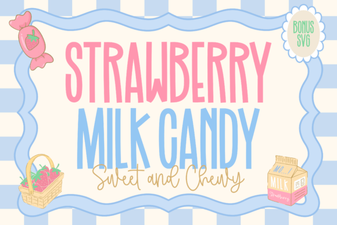 Sweet & Stylish Fonts for Design Projects
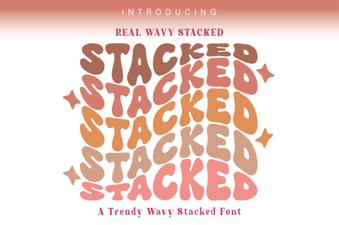 Wavy Stacked Fonts for Design Projects
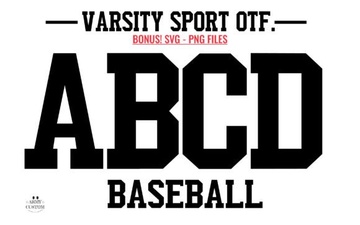 Create Varsity Sport Army Font Projects & Logos
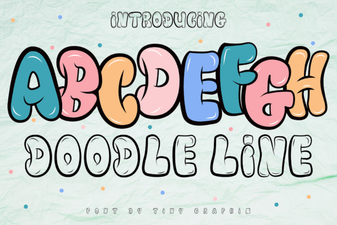 Doodle Line Fonts: Free Download and Creative Uses
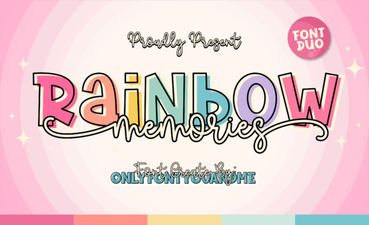 Rainbow Memories Font: Crafting Creative Projects
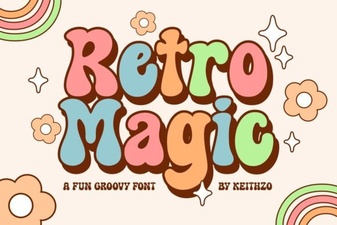 Retro Magic Fonts: Design Styles & Creative Uses