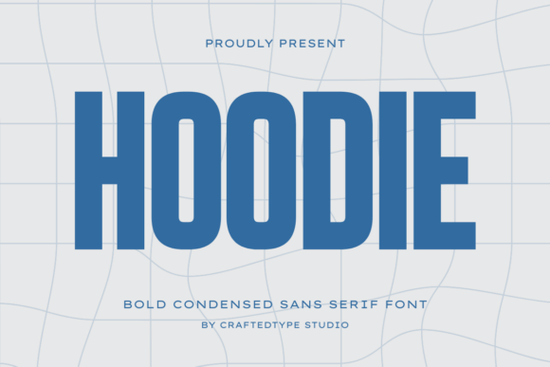
If you are looking for a typeface that immediately grabs attention without taking up too much horizontal space, Hoodie Font delivers exactly that. This bold condensed sans serif design relies on tall, compact letterforms and thick, solid strokes to create a strong visual presence. Whether you are drafting mockups for streetwear brands, laying out sports jerseys, or designing high-contrast social media graphics, this typeface provides a clean yet aggressive foundation that reads well at any scale. Below, we break down how to integrate it into your workflow, where it performs best, and which companion typefaces pair effectively for balanced compositions.
What Design Contexts Benefit Most From Condensed Bold Styles?
Condensed fonts excel when you need maximum impact in tight spaces. Retail banners, album covers, and gym apparel often run short on horizontal room, making a narrow layout highly practical. Rather than stretching wide letters until they distort, you can drop in a properly constructed condensed family to maintain crisp edges. For creators who frequently browse through thoughtfully engineered sans serif collections, you will notice this same priority for structural integrity. The heavy weight paired with reduced width keeps eye contact focused on your core message, which is especially valuable for promotional posters or limited-edition merch drops.
How Do You Pair This Typeface With Softer Or Vintage Designs?
High contrast typography thrives when balanced against lighter or historically inspired counterparts. Because this font carries a dense, industrial character, pairing it with softer scripts or retro display faces creates immediate visual hierarchy. When curating project boards, many designers cross-reference dynamic period pieces that soften modern layouts. That contrast prevents overwhelming the viewer while still allowing the main headline to dominate. You might set a primary slogan in the bold condensed style, then follow it with a smaller, relaxed secondary typeface to guide reading order smoothly.
Why Is File Accessibility Important For Commercial Production?
Printing equipment, screen recording software, and vector programs all handle font encoding differently. A typeface built with full PUA support ensures every alternate glyph sits exactly where expected, reducing manual glyph replacement during handoff to manufacturers. Professionals sourcing files from marketplaces regularly verify these technical specs before purchasing. If you want to explore the full catalog behind this specific streetwear-ready typeface, you will find both OTF and TTF versions available for direct installation. The dual format compatibility means older design software and newer cloud-based tools can both read the file without substitution errors. For quick reference on licensing boundaries, checking the official vendor page via Hoodie will clarify commercial usage rights before you commit to large print runs.
Which Merch Categories Respond Best To Urban Typography?
Certain niches lean heavily into bold, athletic, and industrial aesthetics. Gyms, training apparel, skate labels, and custom jersey makers consistently rank these visual cues among their top priorities. The thick stroke width resists ink spread on cotton blends, meaning screens do not bleed as easily during heat pressing or DTG transfers. Designers testing new product lines also appreciate how well the letters separate on curved surfaces like hats or sleeves. When brainstorming complementary elements, pairing a structured grid system with relaxed snapshot-style display alternatives adds texture without competing for focus. Maintaining consistent baseline alignment across layered graphics keeps final proofs accurate before shipping.
Practical Setup Tips For Clean Artwork Preparation
Before exporting your final proof files, run through a quick quality check to prevent common production delays:
- Verify outline conversion: Convert all text paths before sending to sublimation printers to lock spacing and kerning pairs.
- Adjust tracking for wide names: Tighten letter spacing slightly when fitting multi-word brand names across chest placements.
- Test color contrast: Run dark backgrounds with white strokes to ensure minimum gap thresholds meet fabric tolerance standards.
- Backup alternate formats: Keep both OTF and TTF copies stored separately so legacy cutters never miss a required glyph.
Start by placing three different sizing previews inside a mockup frame to see how the compressed width holds up on actual garment shapes. Export your top selection at 300 DPI minimum, double-check alignment guides, and submit straight to production once spacing meets your brand standards.
Get Started Fantastic Moment Font: Creative Design Ideas & Tips
 Polaroid Fonts for Retro Design Projects
 Think Loved Font: Design Tips and Creative Uses
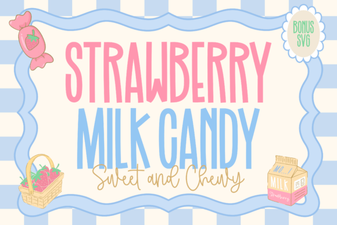 Sweet & Stylish Fonts for Design Projects
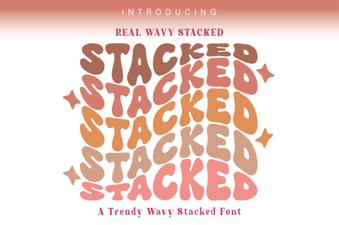 Wavy Stacked Fonts for Design Projects
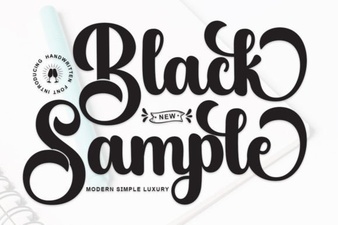 Black Sample Font: Your Creative Typography Starter Kit