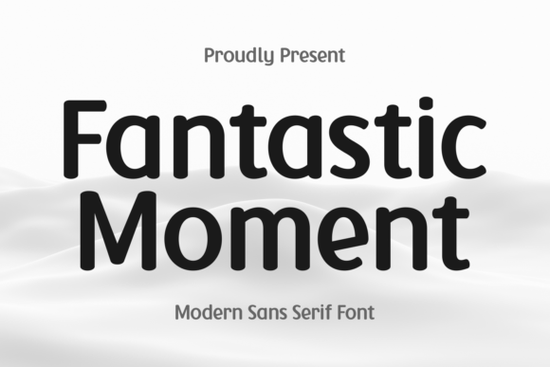
Finding a versatile typeface that bridges casual charm and professional polish often requires testing dozens of options before settling on one. The Fantastic Moment Font immediately addresses that need by combining clean sans-serif geometry with subtle retro touches that work across multiple mediums. Whether you are cutting vinyl for custom mugs, formatting social media graphics, or building a brand identity, this typeface delivers consistent spacing and legible character shapes. Crafters appreciate how smoothly it renders on plotters, while business owners rely on its balanced weight for clean signage and packaging. The design avoids excessive flourishes, which keeps everyday typography readable without sacrificing personality.
What makes this typeface stand out in craft and design projects?
Its strength lies in how effortlessly it shifts between minimalist aesthetics and playful project needs. The letterforms maintain uniform stroke widths, making them ideal for heat transfer designs where crisp edges prevent peeling or distortion during pressing. Sublimation artists frequently choose this style because the moderate contrast translates cleanly onto curved surfaces like tumblers and tote bags. When you need to layer text over photographic backgrounds or busy patterns, the straightforward architecture keeps the message clear instead of competing with visual noise. Many creators also enjoy pairing it with textured overlays to achieve that slightly worn vintage look without losing modern readability.
How do you prepare these files for commercial production?
Getting ready for print-on-demand or local shop orders requires a few straightforward steps to avoid costly reprints. Start by outlining your text or converting it to editable vector paths so scaling never introduces jagged edges. Test your chosen colors on actual substrate samples (since screen RGB values often shift) when transferred to physical materials. Pay close attention to kerning adjustments for short words, as tight letter spacing can create unwanted dark patches in wide-format banners or window decals. Maintaining consistent baseline alignment also prevents that uneven look when stacking headlines over body copy. These small precautions save time during large batch runs and keep your final output looking professionally finished.
Which lettering collections complement this style effectively?
If you enjoy experimenting with nostalgic layouts, exploring similar styles like those found in the Polaroid collection can help you balance framing elements alongside your main typography. Brands that focus on cozy, community-driven messaging often gravitate toward relaxed lettering sets reminiscent of the Think Loved series, which complements soft color palettes beautifully. Apparel designers printing direct-to-garment files usually prefer straightforward sans serifs that sit flat against fabric, avoiding overly decorative details that might blur after washing. You can browse additional variations within the same family by checking out the dedicated Fantastic Moment page, where you will find complete style weights and quick-access preview tools.
Where should you source verified type files?
Sourcing high-resolution font packages from trusted marketplaces ensures you receive properly formatted OpenType or TrueType files with correct license documentation attached. Most reputable platforms organize their libraries by category and tag, which speeds up the selection process when you need matching accents or display variants. Browsing the official Fantastic Moment Font listing on Creative Fabrica gives you direct access to the original design files, technical specifications, and usage guidelines in one place.
What steps should you follow before launching a new design?
Pulling everything together for a successful launch requires careful planning and a few quality checks. Verify that your commercial license covers the specific distribution channels you plan to use, whether that involves Etsy listings, wholesale catalogs, or limited-run store fronts. Run a test print on the exact paper or blank product you intend to sell, since inks absorb differently depending on coatings and textures. Adjust tracking manually for short titles to prevent cramped spacing on rounded substrates. Save backup copies in both editable and flattened formats so you can quickly update client requests or fix minor errors later.
- Confirm font usage rights align with your target sales platform or personal project scope.
- Outline all text before exporting vector files to prevent substitution issues on external printers.
- Calibrate your monitor or request physical proofs to match expected color output.
- Check kerning pairs individually when designing circular badges or arched signage.
- Document your final layer settings for easy recreation during seasonal catalog updates.
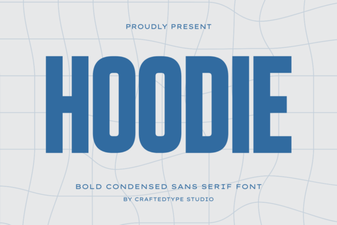 Creative Hoodie Font Ideas & Best Practices
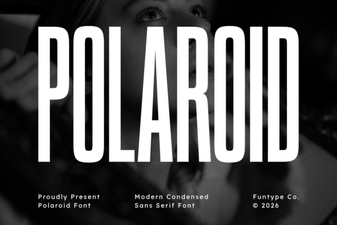 Polaroid Fonts for Retro Design Projects
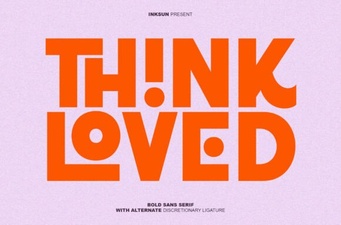 Think Loved Font: Design Tips and Creative Uses
 Sweet & Stylish Fonts for Design Projects
 Wavy Stacked Fonts for Design Projects
 Black Sample Font: Your Creative Typography Starter Kit