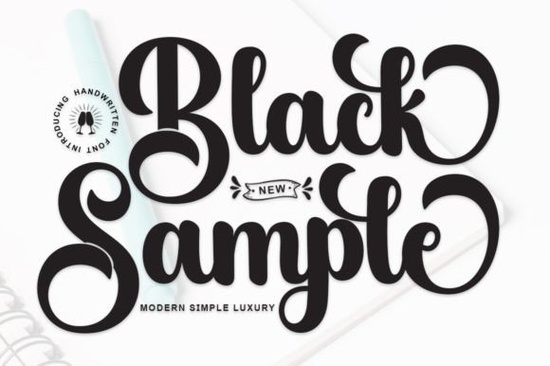
If you have been searching for a typeface that balances approachable warmth with polished sophistication, the Black Sample Font deserves a permanent spot on your desktop. This script style draws clear inspiration from traditional dip pen calligraphy, offering smooth flows, generous x-heights, and consistent stroke modulation that reads cleanly even at smaller sizes. Whether you are preparing a bride-to-groom invitation suite, drafting a boutique logo, or setting up mockups for print-on-demand merchandise, having a reliable hand-lettered typeface saves hours of manual tracing and keeps your production pipeline consistent.
What actually separates a readable script from pure decoration?
Many lettering styles look striking in large hero banners but fall apart when used on price tags, packaging, or social media thumbnails. A functional script maintains steady baseline alignment, predictable spacing, and legible character shapes without relying on excessive swashes that compete with your actual message. Black Sample handles these technical details well by keeping its connecting letters grounded and avoiding overly dramatic flourishes. When you pair it with a clean geometric sans-serif for body copy, the contrast creates visual hierarchy without feeling cluttered. If you want to preview the complete signature showcase, browsing the dedicated folder reveals matching caps and punctuation sets alongside bonus ligatures.
Which projects benefit most from this particular style?
Because the letterforms sit comfortably between formal copperplate and relaxed brushwork, the typeface adapts smoothly across several creative industries. Wedding planners often reach for it on place cards, ceremony programs, and save-the-dates where an elegant tone matters but readability cannot be sacrificed. Small business owners use it for custom labels, coffee shop menus, and storefront signage that needs to feel personal rather than corporate. Craft sellers applying heat transfer vinyl or sublimation prints appreciate how the strokes hold up when scaled down to fit on mugs, tote bags, or sticker sheets. You might also want to explore casual handwriting alternatives if your brand leans toward unpolished, journal-like vibes instead of refined studio calligraphy.
How do I avoid common typography mistakes when typesetting this?
Script typefaces demand extra attention to line breaks, kerning pairs, and background contrast. Always set the base size between 24 and 36 points for primary copy and let headline sizing do the heavy lifting. Avoid stacking three consecutive lines of connected script; instead, pair short phrases with supporting information in a simpler weight. When printing on textured paper or embedding into layered Photoshop templates, export vector outlines or high-resolution transparent PNGs to preserve stroke clarity. If you frequently toggle between romantic scripts and bright playful options, checking out a vibrant brush collection or browsing the warm peach family helps keep your seasonal drop libraries fresh.
Where can I source properly licensed files without guessing?
Commercial licensing rules vary heavily across marketplaces, so verifying font terms before uploading to Etsy, Amazon KDP, or Shopify prevents costly takedowns later. Reputable platforms usually provide detailed license PDFs covering web use, physical goods, resale rights, and client delivery limits. For developers, designers, and small shop owners looking for ready-to-use bundles, browsing a verified marketplace like Black Sample gives you access to tested commercial agreements and direct file downloads. Checking the included feature sets beforehand saves debugging time when characters suddenly swap or diacritics break mid-project. Many creators discover they enjoy switching between moody dark scripts and softer warm tones, which is why visiting a curated page like romantic signature collections often sparks quick project pivots during brainstorming sessions.
Quick implementation checklist:
- Set line height to 1.3 or higher to prevent descenders from colliding.
- Test the type at 1 inch wide before committing to final artwork dimensions.
- Underline verify commercial rights carefully to match your intended sales channel.
- Keep a secondary reading-friendly font ready for supporting text blocks.
Next, draft three distinct layouts using different size ratios, then print a single-page proof to check legibility under natural lighting. Adjust baseline shifts and tracking until the negative space feels balanced, and you will notice the finished pieces render noticeably cleaner without additional embellishments.
Get Started Beautiful Wildflower Duo Font for Your Creative Projects
 Peach Club Font: Design with Playful Typography
 I Heart You Font Designs & Free Download Tips
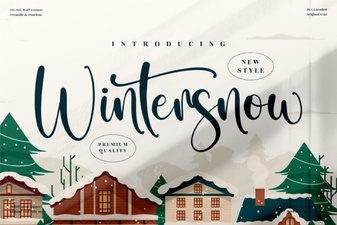 Wintersnow Font: a Design Guide for Creative Projects
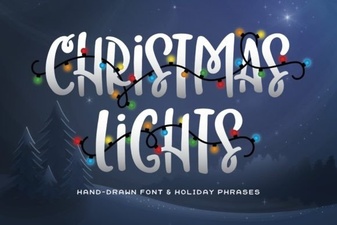 Illuminate Your Holiday Designs with Festive Fonts
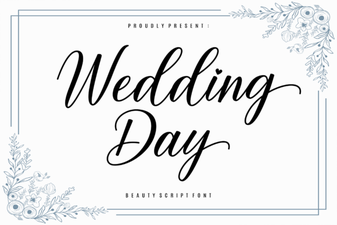 Wedding Day Font Designs and Project Ideas