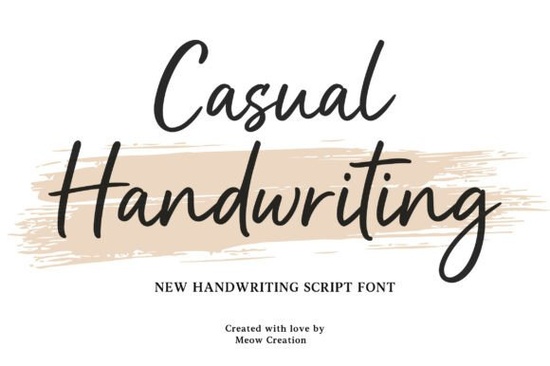
If you need a typeface that feels personal without sacrificing legibility, Casual Handwriting Font delivers that exact balance. The letterforms move with a relaxed rhythm, yet they stay grounded enough to read clearly at both large display sizes and smaller print dimensions. Crafters, POD sellers, and brand designers often reach for this script when they need text that looks approachable rather than overly polished. The spacing between characters stays consistent, which prevents awkward overlaps when you stretch or rotate lines across banners or apparel blanks.
Why does this handwriting font stand out for everyday projects?
Readable scripts frequently struggle with uneven weight distribution, making them feel heavy on some letters and light on others. This font avoids that trap by keeping stroke thickness fairly even across the alphabet. You will notice soft curves on capitals like O and S, while consonants such as L and T retain clean terminal points. That mix of rounded shapes and sharp edges creates a modern feel without leaning into decorative excess. When you place it against solid backgrounds or textured papers, the contrast stays clear and the design does not become visually noisy.
For small business owners who send customer emails or design product cards, readability directly impacts retention. Whether you work within fashion, stationery, or the broader {category} market, a script that requires squinting will push readers away, but a relaxed hand-style keeps the message friendly. You can also experiment with tracking adjustments to give short headlines more breathing room, which works especially well on packaging inserts and thank-you notes.
Where can you actually use this typeface without overwhelming your audience?
The character set covers standard Latin glyphs, including accented letters, punctuation marks, and common symbols, which makes cross-border campaigns much easier to handle. Print-on-demand creators typically apply these letters to quote posters, tote bags, and phone cases because the casual vibe matches lifestyle aesthetics perfectly. If you run a boutique shop, you can layer it over watercolor textures or neutral kraft paper backgrounds to create invitation suites that feel handmade. Social media managers also appreciate how quickly text posts render at thumbnail size, keeping engagement high without requiring custom graphics for every caption.
When building a full brand identity, pairing this script with another style helps establish visual hierarchy. For seasonal campaigns, you might swap in a festive option like Christmas Lights Font during November, then transition back to cleaner layouts for January promotions. Holiday greetings often benefit from WinterSnow Font when you want crisp accents alongside warmer primary copy. Specialty shops selling beauty products sometimes lean toward Peach Club Font for pastel packaging, whereas streetwear labels prefer darker alternatives like Black Sample Font for mockup designs. Event organizers also test Rainbow Font when creating posters that need to stand out in crowded venues.
How do I pair it with other styles for better layout balance?
Successful typography relies on contrast, so matching a flowing script with a stable base typeface keeps compositions grounded. Try setting the script over a geometric sans-serif for headers, then switching to a humanist body font for longer paragraphs. Keep line lengths between fifty and seventy-five characters to maintain comfortable reading speed. If you work in graphic design software, duplicate the text layer, change the bottom instance to a lighter weight, and shift it slightly downward to create a subtle separation effect. Always export preview files at actual print size before committing to bulk production runs.
Testing remains essential because screen rendering differs from offset printing. Check kerning pairs to ensure no collisions occur during scaling. Adjust individual character positions when necessary, then flatten transparencies before sending vector exports to manufacturers. Many independent creators save their adjusted presets as template files, which cuts down revision time for future orders.
What should I check before downloading or applying it to merchandise?
Review the license terms carefully, especially if you plan to sell finished goods rather than digital templates. Commercial agreements usually cover physical products and online ads, but some restrict reselling unaltered font files. Verify which color modes are supported for direct-to-garment transfers and confirm that the included OpenType features match your workflow. Cross-reference character maps to guarantee currency symbols and directional arrows are available before finalizing artwork.
I recommend bookmarking Casual Handwriting for quick access whenever you need a reliable hand-drawn alternative that reads smoothly across multiple platforms. Keeping a folder of tested combinations saves hours later, particularly when deadlines approach.
- Preview at target size: Scale your draft to the final print dimension before approving artwork.
- Check kerning pairs: Look closely at letters that sit side by side after rotation.
- Verify commercial rights: Confirm permitted uses for merchandise and client deliveries.
- Export in supported formats: Save vectors as PDF or SVG, and keep high-resolution PNGs for web use.
- Test color separations: Run spot checks on proofs to catch ink bleed issues early.
Start by setting up three reusable templates today, then track which layout combinations convert best with your audience. Adjust spacing gradually, monitor engagement metrics, and refine your typography stack based on real performance data rather than guesswork.
Explore Design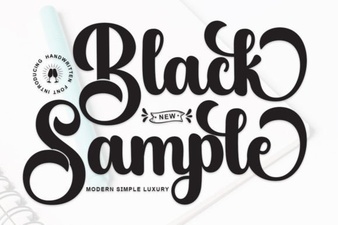 Black Sample Font: Your Creative Typography Starter Kit
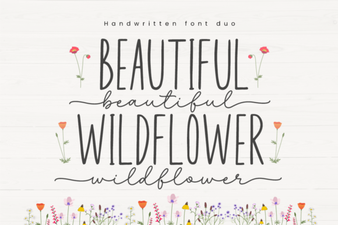 Beautiful Wildflower Duo Font for Your Creative Projects
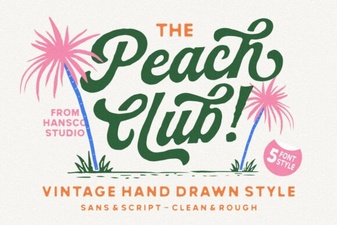 Peach Club Font: Design with Playful Typography
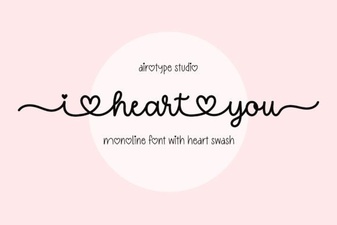 I Heart You Font Designs & Free Download Tips
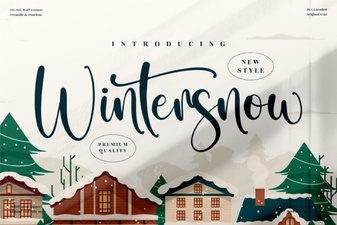 Wintersnow Font: a Design Guide for Creative Projects
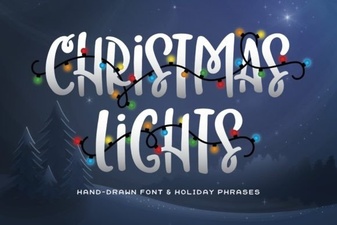 Illuminate Your Holiday Designs with Festive Fonts