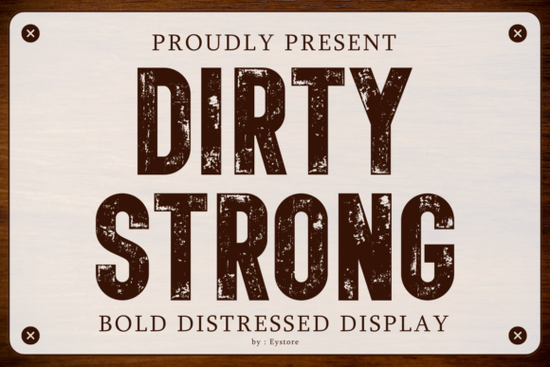
If you are building merchandise lines or branding materials that need to look weathered and tough, the Dirty Strong Font gives you exactly that grit without sacrificing readability. This bold, distressed sans-serif display typeface was built for vintage industrial aesthetics and modern streetwear culture. You will find its authentic texture works well when printed on cotton blends, canvas totes, or metal signage where a masculine, heavy-duty feel matters. The characters carry a deliberately eroded look, yet the overall structure remains clean enough to scan quickly on crowded shelves or mobile screens.
Designers and print-on-demand sellers often struggle to balance edge with clarity. Many grunge alternatives become illegible once scaled down for tags or thumbnails. That is where this particular typeface steps in. You can explore the complete library on the official product page to see how the weights scale across different mediums. The stems stay consistent across short phrases, making it reliable for logo marks, band merch, and workshop labels. When you run the letters through design software, you can adjust tracking or drop shadows to enhance the worn effect, but the base shapes already provide the character most custom fonts lack.
What makes this distressed sans-serif ideal for streetwear and vintage themes?
The secret lies in how the uneven edges interact with light and fabric. Unlike hand-drawn sketched styles that look playful, this set carries weight and permanence. You get straight stems that keep the eye moving horizontally, paired with subtle chips and fractures that suggest age and use. Those micro-details survive embroidery transfers and screen printing because they do not rely on thin hairlines or delicate serifs. When you compare it to softer sketchy alternatives available in the illustrative category or more decorative type sets found in the playful display section, you immediately notice how utilitarian and grounded the letterforms feel. They sit better behind technical graphics, barcode-style layouts, and minimalist badges that still want to stand out.
Where should I apply this rugged display type in my workflow?
Many creators drop their favorite heavy typefaces onto random mockups without checking contrast. This style thrives on specific surfaces. Try it on unbleached tote bags where the ink slightly bleeds into the fibers, enhancing the distressed appearance. It also works beautifully for warehouse shelving labels, coffee roaster stickers, and motorcycle club patches. Automotive posters benefit from the thick strokes, which prevent the message from getting lost against busy photography. Small business owners often overlook how font choice affects shipping labels. Switching to a cleaner typewriter-inspired face listed under structured sans-serifs for addresses keeps documents readable, while reserving the heavy distressed set for outer sleeves creates a clear visual hierarchy.
How do I test and prepare these files for production?
Before you upload any commercial project, verify that the character set includes punctuation, numbers, and special symbols. Check kerning pairs manually if you plan to use tight word spacing, since distressed textures sometimes make certain combinations look crowded. Export vector outlines whenever possible, especially for screen printing or laser engraving, so the chipped edges remain crisp at any size. Save transparent PNGs for digital storefronts and place them over light and dark swatches to confirm contrast. Most licensing terms allow single-project use or extended commercial coverage depending on your chosen tier. Review the attached license agreement carefully if you plan to manufacture physical goods. For reference on usage rights and formatting standards, you can check the official details at Dirty Strong Font.
When should I consider pairing or swapping this style?
You do not need to stick strictly to one heavy typeface throughout an entire collection. Mixing structural weight with lighter accents keeps designs from feeling too uniform. Use the bold distressed set for main headlines or brand names, then switch to a simpler geometric sans for body copy or care instructions. Some creators combine it with structured block alphabets categorized alongside geometric displays when working with stacked layouts, though you will want to adjust spacing so the contrasting textures do not compete. Always preview your full artwork at actual print dimensions before finalizing colors or adding extra filters. Testing on physical samples remains the fastest way to catch alignment issues, ink spread, or color mismatches. Digital previews help, but fabric texture and paper grain change how distressed edges behave. Run a quick spot check on one item per order variation, measure the actual height of the caps, and record those specs in a spreadsheet for future batches.
Quick checklist before launch:
- Verify all required characters and symbol variants are included in your purchased set.
- Check kerning pairs on short words and adjust tracking if the gritty texture causes visual crowding.
- Export vectors for manufacturing and high-res PNGs with transparency for digital listings.
- Confirm commercial license scope matches your planned product quantity and distribution channels.
- Print a physical test piece on your actual material to evaluate contrast, ink bleed, and cap height.
Next step: Build three distinct mockups using different background textures, export them side by side, and pick the composition that maintains maximum readability at thumbnail size. Keep a master file organized with locked layers and labeled groups so you can swap colors or update taglines without rebuilding the layout each time.
Explore Design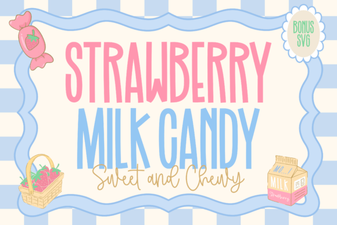 Sweet & Stylish Fonts for Design Projects
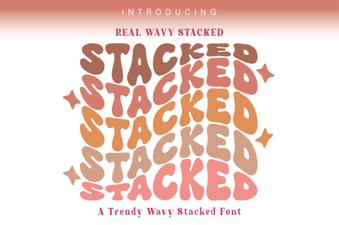 Wavy Stacked Fonts for Design Projects
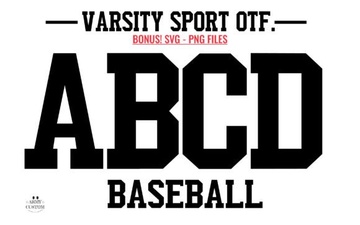 Create Varsity Sport Army Font Projects & Logos
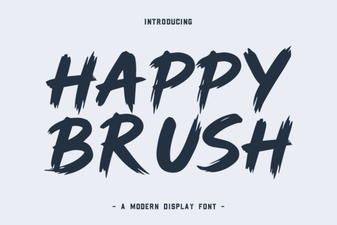 Happy Brush Font: Creative Design Projects
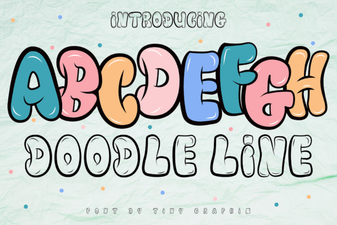 Doodle Line Fonts: Free Download and Creative Uses
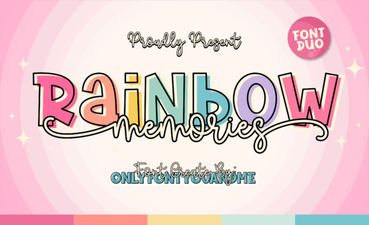 Rainbow Memories Font: Crafting Creative Projects