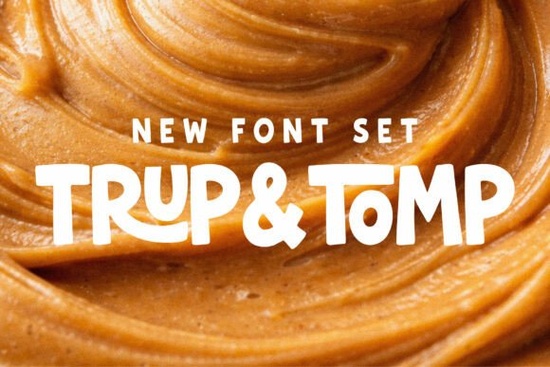
If you are looking for a typeface that instantly adds warmth and playful energy to your work, the Trup & Tomp Font delivers exactly that. This design duo pairs a chunky, hand-drawn display sans with a smooth handwritten script, giving you two distinct voices in one package. Whether you are crafting social graphics, designing product labels, or setting up a new brand identity, having both styles available lets you shift tones without switching out your library.
What projects benefit most from a playful type pairing?
This style works exceptionally well when you need to catch attention without feeling rigid. Small business owners often use these letters for storefront signage, sticker sheets, and merchandise mockups because the thick strokes read clearly even at smaller sizes. Crafters also lean toward similar lettering sets when creating printable planners, coloring pages, or gift tags. The rounded edges and informal feel keep the message friendly and approachable, which is why you will frequently see them applied to children’s room decor, birthday party invites, and lifestyle branding.
When sourcing complementary assets, options like loose brush scripts offer textured accents, while sturdy children’s typefaces pair well with nursery themes. Keeping your color palette muted allows the character shapes to take center stage. Most independent makers find that limiting themselves to two fonts per spread reduces visual clutter and improves conversion rates on listing previews.
How do you get the most out of combining two different styles?
The real strength here lies in how the two pieces interact. You can let the chunky sans carry your main headline while using the flowing script for subtitles, taglines, or decorative flourishes. This contrast creates visual rhythm without overwhelming the eye. When spacing matters, give each line enough breathing room; tight tracking tends to mute the handcrafted feel. Try placing the script below a bold statement for a greeting card layout, or weave it through product photography to make packaging look custom-made. Many creators also split the workload by assigning the sans to digital ads where readability drives clicks, while saving the script for printed materials like postcards or hang tags.
When mixing styles, consistency in weight and color usually keeps everything cohesive. For vibrant seasonal banners, browsing colorful sketch families provides additional movement. Arched athletic lettering sometimes bridges gaps between streetwear graphics and vintage sports cards, though those heavier forms require wider margins to maintain clarity.
Which files should you expect and how does licensing work?
Most modern design platforms provide standard outlines compatible with Illustrator, Photoshop, InDesign, and Cricut Design Space. Before exporting any artwork, always verify the license terms attached to your download. Personal projects rarely require extra permissions, but printing shirts, mugs, or wholesale items usually falls under commercial use. Reading the fine print ensures you stay compliant while avoiding unexpected fees. For broader typography libraries that cover similar playful or retro niches, browsing curated collections saves time during client research.
To view updated licensing guidelines and preview high-resolution renderings, check the official source for Trup & Tomp Font. Platform marketplaces typically organize these downloads by file type, making it easier to locate vector versions versus raster placeholders. Keeping your project files organized from day one prevents last-minute formatting errors.
What steps guarantee a smoother workflow from draft to final product?
Starting with a clear layout grid prevents the design from feeling scattered. Draft your concept in black and white first, then introduce colors once the hierarchy feels right. Test legibility at actual print dimensions before committing to vinyl cutting or screen printing. Keep a master document with your preferred kerning adjustments saved so you can replicate successful combinations quickly. When exploring complementary textures or brush styles, the pastel dessert themes often appear in matching project kits because their rounded terminals echo the same approachable mood.
Quick implementation checklist:
- Sketch your composition before opening design software
- Limit yourself to two type families per layout
- Check vector scalability on your intended output medium
- Save style presets for recurring client deliverables
- Review commercial usage rights before ordering physical samples
Next step: Export a single proof sheet in your chosen cut size and review edge alignment under bright lighting. Experimenting with color palettes that mirror natural tones tends to enhance the handmade quality of these characters.
Try It Free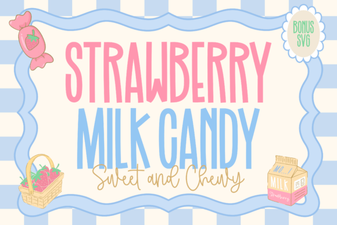 Sweet & Stylish Fonts for Design Projects
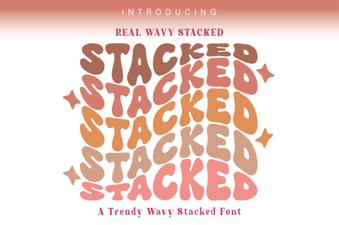 Wavy Stacked Fonts for Design Projects
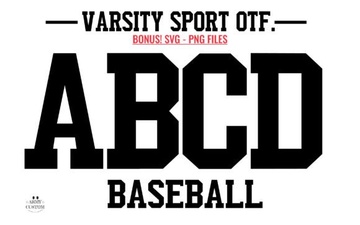 Create Varsity Sport Army Font Projects & Logos
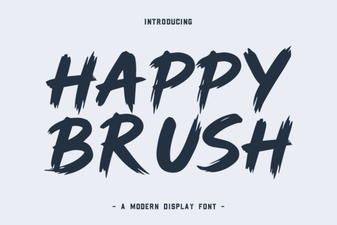 Happy Brush Font: Creative Design Projects
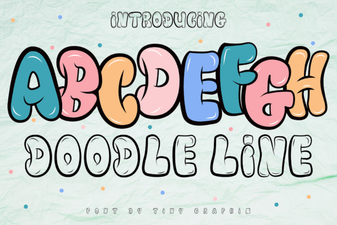 Doodle Line Fonts: Free Download and Creative Uses
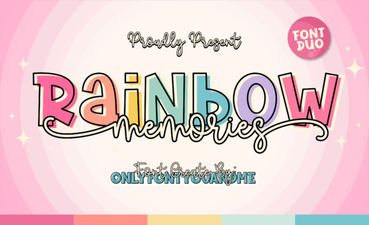 Rainbow Memories Font: Crafting Creative Projects