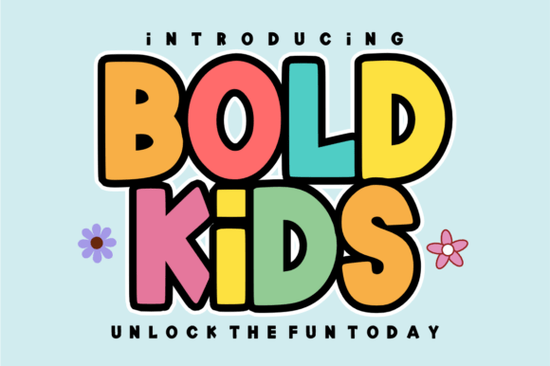
When you need typography that captures attention without looking overly polished, a chunky display typeface does the heavy lifting. The Bold Kids Font delivers exactly that kind of playful energy through thick, hand-drawn block letters that feel slightly organic and intentionally imperfect. Designers who work with children’s branding, classroom signage, or vibrant merch listings often look for typefaces that balance readability with personality, and this one sits comfortably in that middle ground. Rather than leaning into rigid geometric shapes, the characters carry a gentle bounce that keeps eye contact steady while still feeling fresh. You can drop it directly into your layout software and start testing sizes immediately, which saves time during rapid production cycles.
Is This Typeface Suitable for Commercial Print Products?
If you sell physical goods like t-shirts, stickers, or educational worksheets, legibility matters just as much as visual appeal. The weighted letterforms keep spacing consistent even when scaled down, which prevents blurring on smaller tags or busy background textures. Crafters frequently pair these thick strokes with lighter line art or soft watercolor backgrounds to create contrast without fighting for dominance. Small business owners also appreciate how the style bridges two audiences at once. Adults recognize the nostalgic, handmade quality, while kids respond to the colorful, upbeat vibe.
You might notice similar energy in other casual display options online. For example, exploring a hand-sketched stroke typeface shows how uneven edges can add warmth, though those styles sometimes struggle with crisp digital previews. If you prefer something softer and more decorative for nursery themes or pastel merchandise, checking out a flowing script alternative helps round out a full brand palette. Keeping a mix of heavy and light weights ensures your storefront never looks too uniform.
Will It Cut Cleanly on My Machine?
Makers who rely on die-cut vinyl, Cricut, or Silhouette workflows usually check three things before downloading: kerning consistency, anchor point density, and curve smoothness. This particular typefile was built with straightforward paths and minimal overlapping nodes, so export times stay short and blade tracking remains accurate. Even beginners report fewer skipped cuts because the thick blocks leave enough material between each character for clean separation. Most vector programs recognize the file structure immediately, meaning you do not need to manually trace or rebuild outlines before sending files to plotters.
When working with layered designs, some creators switch to heavier grunge styles to achieve distressed effects, but those often require extra cleanup steps. Comparing a rough textured alphabet side by side highlights why clean weight distribution saves setup time on the cutting mat. Alternatively, if your project leans toward vintage packaging or old-school signage, pairing this readable style with a stylized vintage variant creates instant nostalgia without sacrificing sharp edges around curves.
How Do I Set It Up for Maximum Readability?
Even the most energetic typeface needs room to breathe. Because the letters sit close together and feature heavy x-heights, adding generous padding around your text block prevents that crowded appearance. Try placing the main phrase against a solid color or a low-noise photographic background. If you want to emphasize secondary copy, switch to a thin sans serif or a simple handwritten script. The contrast keeps hierarchy obvious, which helps shoppers scan product images quickly on mobile devices.
File preparation also impacts final output. Always convert outlines before uploading to printing platforms, verify color modes match your substrate, and test crop marks on a small sample sheet. Review the complete character breakdown before importing to verify special symbols, then save a backup copy outside your project folder. Many commercial licenses from marketplaces like Bold Kids Font cover both personal drafts and end-product sales, but double-check the specific terms for your region.
Quick Setup Checklist
- Preview at actual print size before locking layers. Zoom out to sixty percent to catch spacing issues early.
- Embed or outline everything to prevent font substitution errors during automated publishing.
- Run a single-blade test cut on scrap vinyl if you plan to batch-produce labels or decals.
- Save alternate versions with wide tracking for banners and tight tracking for compact logos.
- Keep a style guide note documenting background contrast rules so future projects stay consistent.
Start by dragging the master file into a blank canvas, typing a short phrase, and adjusting baseline shifts until the weight feels balanced. Once your first mockup prints cleanly, replicate the settings across remaining assets. Consistent spacing and clear contrast will carry through every item, whether you list them online or hand them to local buyers.
Try It Free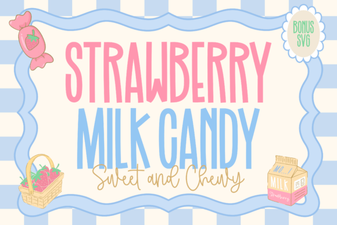 Sweet & Stylish Fonts for Design Projects
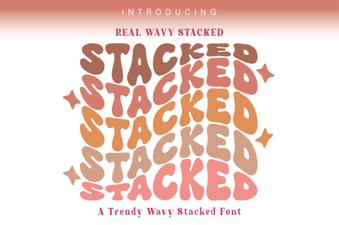 Wavy Stacked Fonts for Design Projects
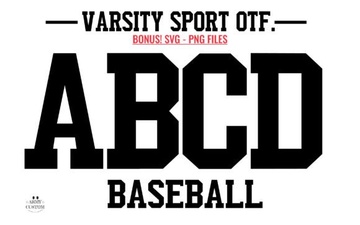 Create Varsity Sport Army Font Projects & Logos
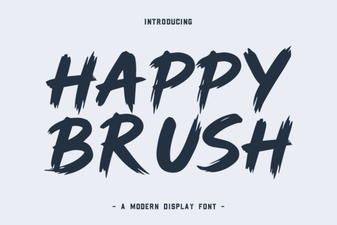 Happy Brush Font: Creative Design Projects
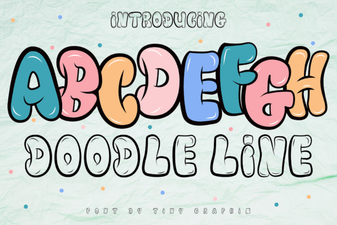 Doodle Line Fonts: Free Download and Creative Uses
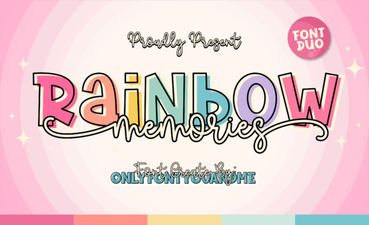 Rainbow Memories Font: Crafting Creative Projects