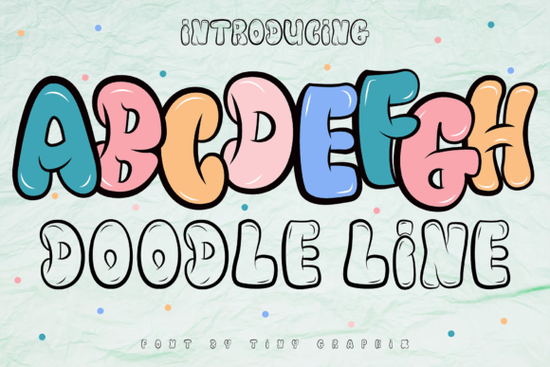
When you need a typeface that cuts through visual noise without looking stiff, the Doodle Line Font brings that raw, hand-drawn energy straight to your canvas. It works well when you want to keep things modern but still feel approachable. Many designers reach for it early in the layout process because the strokes are already filled with movement, which saves time later when adjusting spacing or adding accents. The bold, dynamic lines borrow from authentic street art, making it a reliable choice for grabbing attention in branding, logo concepts, cartoon styling, and casual game interfaces.
Why does my project need a street-style typeface?
Standard sans serifs rarely grab attention on crowded shelves or endless scrolling feeds. A graffiti-inspired letterform like this one borrows from urban culture, giving your work an immediate sense of place. The thick, sweeping curves read clearly even at smaller sizes, while the uneven line weights mimic actual marker or spray paint touches. If you run a youth-focused brand or design apparel, this kind of typography signals confidence without shouting. You will notice how quickly projects gain personality when you swap out rigid geometric shapes for something that looks drawn by hand. It carries a cool, modern vibe that feels current rather than trend-chasing.
Where do crafters and POD sellers use it best?
Print-on-demand shops often struggle with finding fonts that scale well across different products. This style stays legible on mugs, posters, tote bags, and sticker packs because the heavy outlines prevent fine details from disappearing during printing. Hobbyists also find it handy for scrapbooking, digital planning, and custom signage. The open counters in each letter make it easy to overlay textures or combine with patterned backgrounds. When you test it on mockups, you will see it holds up against busy photography or solid color blocks alike. Game developers frequently use it for level titles and score displays because it reads instantly on screens.
How do I pair it with other fonts for better layouts?
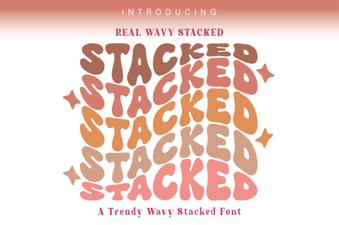
Mixing display type with simpler companion fonts keeps your designs from feeling cluttered. A clean geometric sans works well alongside the heavier doodle strokes, especially when setting body copy or short quotes. You can also lean into the playful side by combining it with rounded handwritten styles. Many creators gravitate toward options like Happy Brush Font for quick accents or Bold Kids Font when targeting younger audiences. For softer contrasts, pairing it with a flowing script like Rainbow Memories Font creates a nice balance between structured edges and organic movement. If you prefer wavy, vintage vibes, Real Wavy Stacked Font handles retro layouts without competing for attention. Even Rainbow Darling Duo Font offers a complementary shape that keeps focus on the main headline. The key is to let one type carry the weight while the other supports the message.
What should I check before downloading and installing?
Licensing terms always come first, so review the file restrictions to confirm whether you can use the letters for commercial prints or social media graphics. Next, open the package in your design software and inspect the kerning pairs. Street-style fonts sometimes pack letters tightly to save space, which means adjusting tracking manually gives you cleaner rows. If you plan to stretch the text, test those transformations beforehand because extreme scaling can warp the intended stroke thickness. Saving a duplicate version with expanded spacing usually prevents accidental distortion during export. You can also preview the full character set to catch missing accented characters or special symbols before starting a large batch of files.
For more inspiration and ready-to-use variations, searching for Doodle Line Font will show you how other creators adapt the same family across different niches.
Quick setup checklist
- Verify commercial usage rights in the license PDF
- Open the OTF or TTF file and load the complete glyph panel
- Create a baseline paragraph with adjusted tracking for readability
- Test exports at standard print resolutions before finalizing artwork
- Save layered PSD or SVG backups with outlined paths for scalability
Pick one core message, apply generous negative space around the letters, and let the rough edges speak for themselves. Small adjustments in alignment and contrast usually finish the job faster than chasing perfect symmetry.
Try It Free Sweet & Stylish Fonts for Design Projects
 Wavy Stacked Fonts for Design Projects
 Create Varsity Sport Army Font Projects & Logos
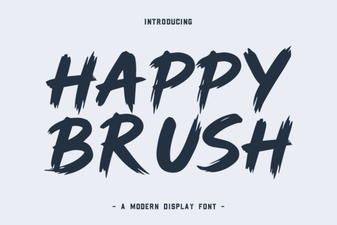 Happy Brush Font: Creative Design Projects
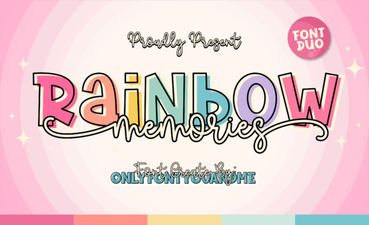 Rainbow Memories Font: Crafting Creative Projects
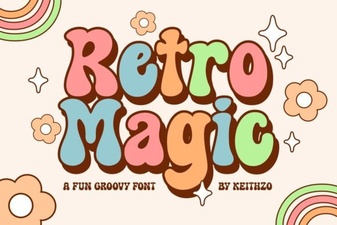 Retro Magic Fonts: Design Styles & Creative Uses