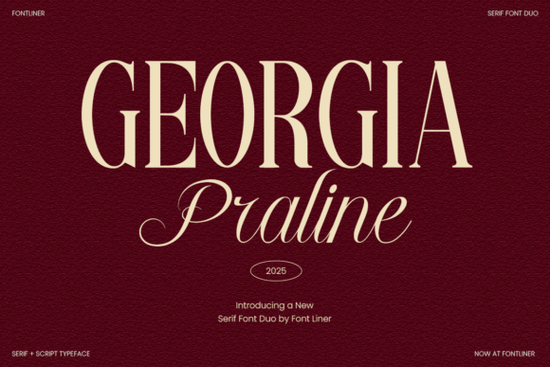
If you have been looking for a typeface that balances readability with a refined touch, the Georgia Praline Font delivers exactly that. This dual-style set pairs a sturdy, traditional serif with a flowing handwritten script, giving you two complete alphabets in one download. The block letters bring structure to headlines and body copy, while the cursive variations soften labels, quotes, and decorative elements. You get a flexible tool that works cleanly across digital screens and printed materials without feeling overly ornate or hard to read.
What makes this typeface worth adding to your design toolkit?
The strength of this pairing lies in how the two styles complement each other rather than compete. The upright characters maintain crisp spacing and consistent stroke weight, which keeps long lines of text comfortable to scan. Meanwhile, the script features gentle curves and slightly varied letter shapes that prevent the design from looking too rigid. When you use them side by side, you create visual hierarchy without reaching for multiple font packages. That single download saves time during layout planning and keeps your weight distribution consistent across invoices, menus, social media graphics, and product tags.
You will notice it works particularly well when you need a quiet confidence behind your message. If you run a small boutique, design wedding stationery, or manage a content page, this combination gives you enough character to feel intentional while staying professional. The regular weights handle paragraph text smoothly, and the lighter script strokes avoid heavy ink traps that sometimes cause printing issues on low-end equipment. Crafters often appreciate how the outlines render cleanly on vinyl cutters, while brand managers like how the paired styles stay recognizable at small sizes on mobile interfaces.
How can creators actually use this pairing in their projects?
Many people ask how to arrange these two styles so the final piece does not feel cluttered. The simplest approach is to reserve the serif for primary information and let the script highlight accents. You might set a restaurant menu title in the upright style, then use the cursive version for chef notes or daily specials. Print-on-demand sellers frequently apply the block letters to the main graphic area of mugs and tote bags, leaving the handwritten portion for care instructions or signature lines. Wedding planners tend to stack the script over dates or honorifics, relying on the serif to carry guest names and venue details.
When building a brand identity, consistency matters more than novelty. Using both styles across business cards, letterheads, and storefront signage creates a unified voice that reads as established rather than experimental. The upright letters provide authority for pricing tables and legal disclaimers, while the softer script adds warmth to welcome messages or holiday greetings. You can also experiment with partial usage, dropping the cursive alphabet into monogram designs, sticker sheets, or custom packaging tape. Because the two families share the same structural rhythm, they rarely clash even when colors change.
Should you pair it with other lettering styles instead of using it alone?
Sometimes a project requires a third element to bridge gaps in scale or contrast. If you need something slightly more relaxed for casual campaigns, exploring resources like Sweetberry Serif can give you an alternative texture without breaking your overall aesthetic. For luxury retail mockups or high-end cosmetic labels, checking out Luxurimo Font offers a sleeker geometric option that sits well alongside traditional serifs. Heritage branding or storytelling posts often benefit from a historical feel, which is why many creators browse Monarch Heritage Font when drafting book covers or vintage-style posters. You do not need to buy multiple packages when a single library handles cross-category testing efficiently.
Before mixing additional typefaces, always verify weight matching and baseline alignment. A heavy display sans might overwhelm delicate script loops, while an ultra-condensed slab can crush organic curves. Stick to one dominant family for your core layout, introduce a secondary style for emphasis, and reserve any tertiary faces strictly for functional elements like data fields or navigation bars. This disciplined approach keeps your work legible while still showing creative range.
Where can you find reliable files and licensing details?
Downloading ready-to-use lettering packs usually means getting proper documentation along with the installation files. The best way to secure official variants and commercial terms is through a trusted marketplace like Georgia Praline Font. These platforms typically provide clear usage guidelines, separate downloads for desktop and web formats, and customer support for troubleshooting installation errors. Always review the license scope before launching a client project, especially if you plan to reproduce the letterforms on apparel or merchandise.
What should you check before buying or installing?
Always run through these quick verification steps before starting your first layout:
- Download both the upright serif and the companion script sets
- Read the license agreement to confirm commercial and merchandise permissions
- Open the files in your design software to test glyph availability and spacing
- Export a small proof image to check how the script renders on your printer
- Save a backup copy before applying any manual kerning adjustments
After confirming these items, create a simple style sheet that lists your headline size, body size, and script accent ratio. Keeping those measurements saved will save you hours of recalculation on future projects.
Explore Design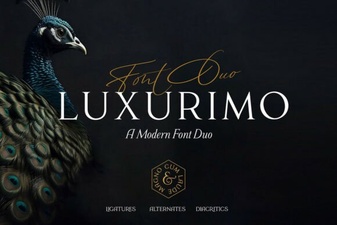 Luxurimo Font: Elegant Typography for Creative Projects
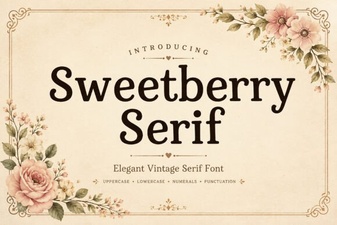 Sweetberry Serif Font: Elegant Typography for Modern Projects
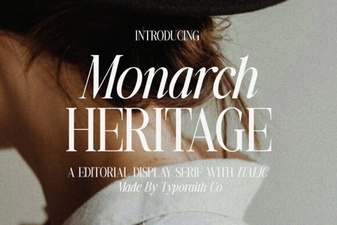 Monarch Heritage Font for Elegant Design Projects
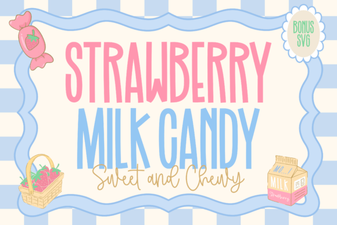 Sweet & Stylish Fonts for Design Projects
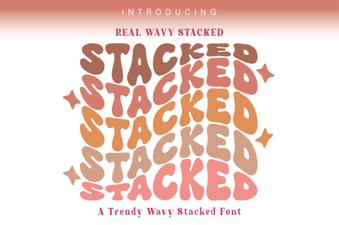 Wavy Stacked Fonts for Design Projects
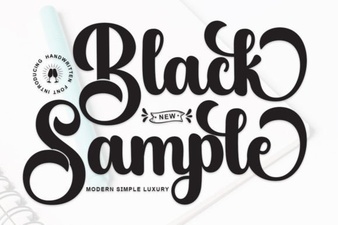 Black Sample Font: Your Creative Typography Starter Kit