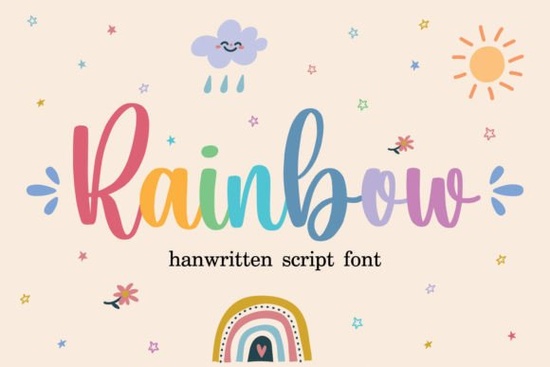
If you want a handwritten script that feels approachable without sacrificing readability, the Rainbow Font delivers gentle, hand-drawn charm. Designers, crafters, and print-on-demand sellers often need a typeface that adds warmth to packaging, social posts, or small business stationery. This script leans into soft curves and flowing connections, making it easy to drop into quote graphics, logo concepts, or greeting cards. Because it uses PUA encoding, you do not have to hunt through hidden panels to find alternate swashes, decorative ligatures, or special punctuation. Everything sits neatly in place once installed.
What actually sets this handwriting style apart from standard cursive fonts?
Many digital scripts feel too stiff for modern lifestyle brands. This type takes a relaxed approach by keeping letterforms slightly irregular, much like quick penmanship. The consistent baseline and open counter spaces prevent muddiness when scaled down for tags, stickers, or mug wraps. Built-in alternates work together rather than competing with one another. Since the font is PUA encoded, accessing extras happens through your keyboard’s extended character menu or your software’s glyph panel. That structure saves time during busy launch weeks when you are juggling multiple mockups.
When building a brand identity around handmade goods, pairing a flowing script with a clean sans-serif keeps compositions balanced. You can layer the letters over textured backgrounds or minimalist line drawings without losing legibility. The weight stays light enough to feel friendly, translating well across digital screens and printed materials.
How do creators actually get the most out of it in daily workflows?
Print-on-demand sellers typically install the files on their primary machine and set up a dedicated template folder. From there, generate colorway variations, adjust tracking for custom apparel prints, or leave spacing open for elegant signage. Crafters using cutting machines will appreciate that connective strokes remain intact after tracing, provided you follow standard outlining steps. Small business owners often reuse layout grids across email headers, invoices, and product cards to maintain visual consistency.
Comparing structural flow against niches focused on nuptial paper goods reveals how the spacing leaves breathing room for delicate flourishes. Seasonal tag makers often swap toward festive label layouts depending on the month, while browsing sketchy marker styles shows how stroke weight shifts change the mood. For boutique retail branding, testing paired lettering alongside affectionate merchandise lines or club-style typographic systems helps establish consistent hierarchy across store displays.
Which project types bring out its strongest qualities?
- Greeting cards and printable wall art: the flowing rhythm matches well with inspirational wording and simple borders.
- Appliance labels and pantry organizers: gentle curves read clearly at smaller sizes without excessive scaling.
- Social media quote templates: natural pauses between letters create comfortable white space for cropping.
- Event invitations and welcome signs: soft edges complement floral arrangements and handwritten call-to-action lines.
- E-commerce product tags: compact sizing works smoothly next to barcodes and minimal brand marks.
When should I reach for something different instead?
No single typeface fits every scenario, and knowing the limits prevents mismatched brand voices. If you need tight kerning for narrow billboards, dense editorial layouts, or high-contrast luxury packaging, a rigid serif or geometric sans serves better. This script shines when the goal is approachability, personal notes, or lifestyle storytelling. Casual handwriting references often lean toward rougher sketch textures, which serve a different purpose entirely. Before finalizing proposals, test the font at actual print dimensions and export proofs to check ink spread on cotton shirts or coated paper.
Quick setup reminder: unzip packages completely, run the installer with admin rights on Windows or drag files into your system Fonts folder on macOS, then restart your application. Missing a single file causes warnings that waste production hours. Once loaded, open the glyph panel to explore swash variants, and lock preferred settings in a master template to skip repetitive adjustments.
Before launching your next project, run through this short verification list: install the font fully and verify it appears in your active list, open a fresh document to test basic typing followed by the PUA character palette, apply two alternate swashes to see how they interact with your chosen background colors, export a low-resolution preview to confirm readability on mobile displays, and save the layered file under a consistent naming convention. Pairing a warm handwritten style with predictable workflows keeps creativity running smoothly.
Download Now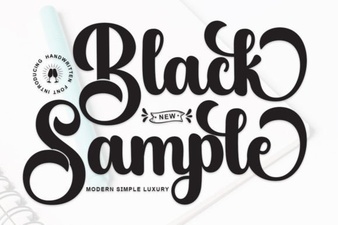 Black Sample Font: Your Creative Typography Starter Kit
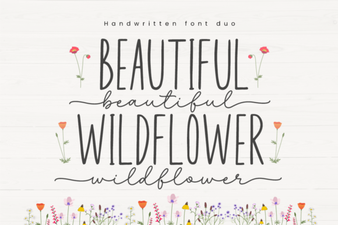 Beautiful Wildflower Duo Font for Your Creative Projects
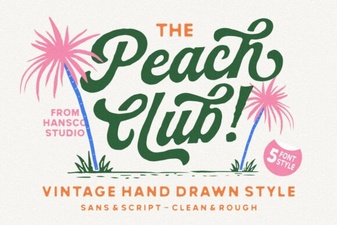 Peach Club Font: Design with Playful Typography
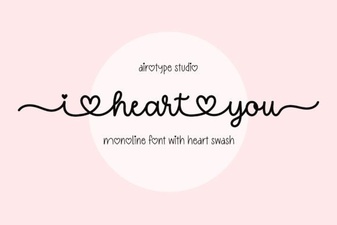 I Heart You Font Designs & Free Download Tips
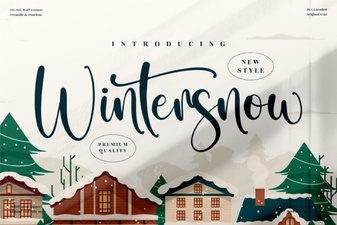 Wintersnow Font: a Design Guide for Creative Projects
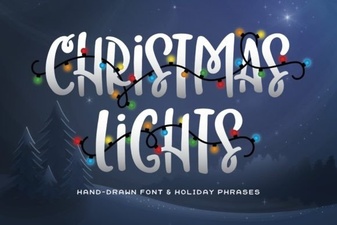 Illuminate Your Holiday Designs with Festive Fonts