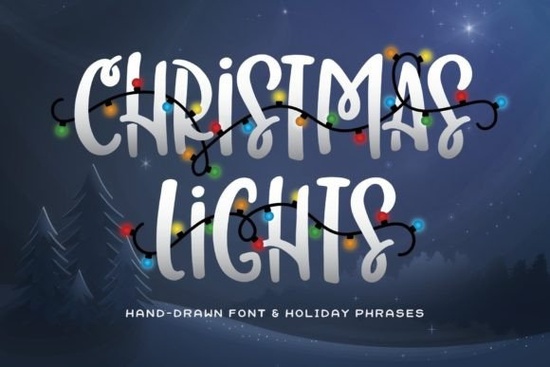
If you need a playful yet highly legible set of seasonal characters, the Christmas Lights Font delivers exactly that. It is a bold, all-caps display alphabet designed to cut through busy backgrounds and grab attention instantly. The pack comes with holiday-themed words already wrapped in glowing string lights, saving hours of manual tracing. For crafters, print-on-demand sellers, and small business owners who refresh catalogs regularly, having ready-made decorative text elements changes how fast you can ship custom orders.
How does this alphabet work on commercial projects?
This typeface operates as a standard installable file, meaning you can drop it into design software or vector programs like any other licensed asset. Each holiday phrase functions as individual glyphs, so you can scale the text without losing crisp edges. The built-in light strands attach directly to the letters, providing consistent visual rhythm across mugs, tote bags, and printed labels. Review the standard Commercial License agreement to confirm your production limits. Most plans allow unlimited personal use and a reasonable commercial cap for small batches, which aligns perfectly with limited-edition holiday drops.
The character set also includes extra styling variations for punctuation and numbers. Those details matter when building price tags or event signage where uniform sizing keeps layouts intentional. Pairing heavy caps with generous white space prevents compositions from feeling cluttered.
What other type families pair well with bright holiday lettering?
Bold display alphabets perform best when balanced against lighter scripts. If your collection leans into ornate calligraphy, exploring a festive handwritten selection often provides better contrast. For completely coordinated campaigns, grabbing a themed holiday typography kit ensures matched weights and kerning. You might also swap in a low-pressure cursive option for secondary messages, letting the illuminated headers carry the visual punch. For winter scenes involving frosted surfaces, an arctic-inspired typeface maintains the same cool atmosphere. When designs shift toward spring markets, browsing a botanical script duo helps keep your brand voice cohesive across seasons. Finding complementary pairs early stops you from forcing mismatched styles.
Where do creators usually apply these decorated characters?
The most common applications include sublimated drinkware, embroidered patches, vinyl decals, and digital wall art. Since the letterforms fit standard bounding boxes, they translate cleanly onto curved surfaces like tumblers. Sellers often use the light-strand phrases as focal points on minimalist greeting cards, leaving room for hand-written notes. Digital creators frequently layer the text over textured overlays to give flat vectors a tactile feel. Placing these assets near promotional banners increases click-through rates because shoppers immediately recognize the thematic cues.
Event coordinators also appreciate how quickly the text adapts to conference backdrops or table place cards when exported at large dimensions. Testing export settings beforehand guarantees consistent results across different printing vendors.
How can you maximize readability while keeping the seasonal vibe?
Readable seasonal typography requires deliberate contrast management. Always check your foreground-to-background luminance ratio before exporting files. Dark navy or forest green substrates usually make the bright string-light outlines pop. If you must use lighter paper stocks, increase the stroke weight to separate the letters from the material grain. Tightening the gap between words too much causes the light strands to visually merge, so leave a moderate buffer zone around each phrase. Testing mockups in grayscale reveals hidden contrast issues that color hiding might mask.
If you want to explore additional seasonal alphabets that share similar display characteristics, checking the results for WinterSnow gives you another frost-friendly option to compare during concept development.
What should you verify before adding new type assets to your workflow?
- Confirm the commercial license tier matches your projected sales volume.
- Export trial prints on your actual substrate material before committing to bulk runs.
- Check that light-strand connectors remain attached when scaling below fifty percent.
- Save a backup folder organized by product category for faster future edits.
- Test chosen colors against both smartphone screens and desktop monitors to catch brightness shifts.
Start with three quick mockup variations per product line, measure engagement metrics over ten days, and keep whichever layout drives the highest conversion rate. Repeat that cycle each month to refine your seasonal catalog efficiently.
Download Now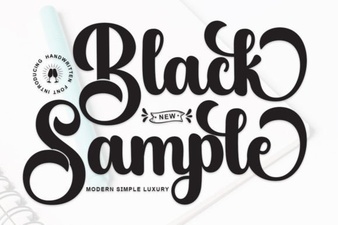 Black Sample Font: Your Creative Typography Starter Kit
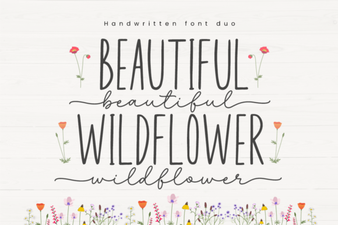 Beautiful Wildflower Duo Font for Your Creative Projects
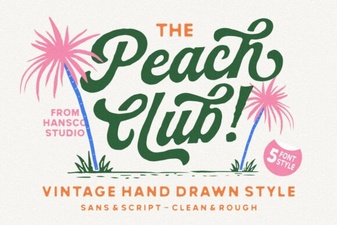 Peach Club Font: Design with Playful Typography
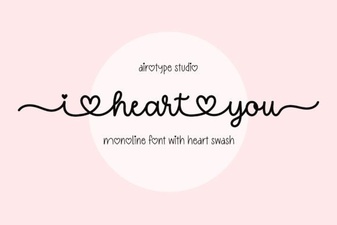 I Heart You Font Designs & Free Download Tips
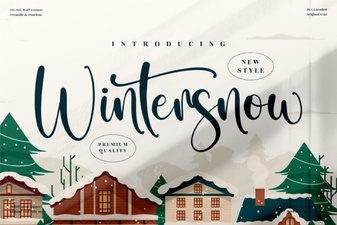 Wintersnow Font: a Design Guide for Creative Projects
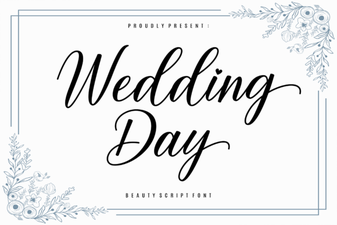 Wedding Day Font Designs and Project Ideas